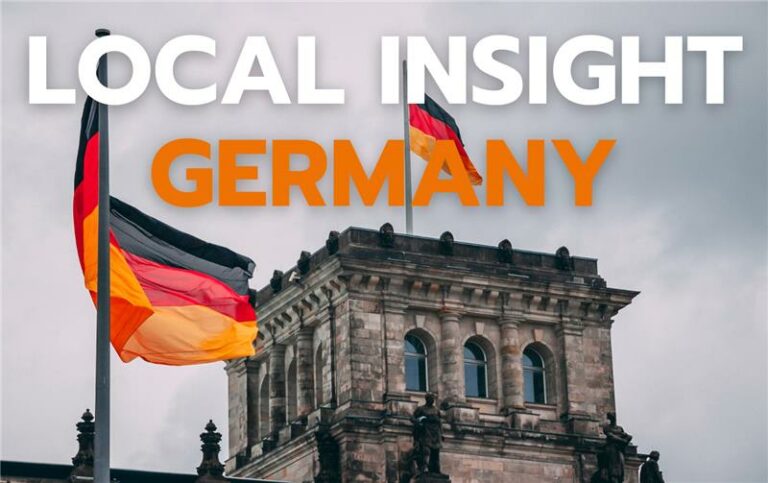
La Germania rimane una delle economie centrali nel sistema globale e all'interno dell'UE. Con un PIL di circa 4,3 trilioni di euro, che riflette la sua scala di prodotto interno lordo e la colloca tra i migliori performer mondiali, continua a classificarsi tra le tre maggiori economie mondiali e rimane la più grande economia in Europa e la terza più grande a livello globale. Una popolazione che supera gli 83 milioni di abitanti e una profonda specializzazione industriale sostengono la sua posizione all'interno dell'eurozona e nel panorama produttivo ed esportatore dell'Unione Europea, confermando che la Germania è uno dei pilastri economici dell'Europa e uno dei membri fondatori del quadro istituzionale dell'UE. Le aziende che riescono a districarsi con successo nelle complessità dell'ingresso nel mercato tedesco troveranno opportunità gratificanti di crescita ed espansione.
Detto questo, la Germania sta attraversando una fase difficile. La volatilità dei prezzi dell'energia, le turbolenze geopolitiche seguite all'invasione dell'Ucraina, il rallentamento della domanda globale e gli adeguamenti strutturali dell'industria hanno messo in luce le vulnerabilità del settore manifatturiero, della politica fiscale e degli indicatori economici, compresi anni di contrazione. La crescita è stata irregolare, il clima di fiducia cauto e il dibattito sulla competitività ancora aperto: realtà ben comprese dai mercati globali e dall'era della competizione tra grandi potenze. I recenti commenti del ministro delle finanze Lars Klingbeil e del governo tedesco sottolineano che la Germania deve affrontare la questione dei prezzi dell'energia, dell'esposizione tariffaria e dell'approvvigionamento di materie prime critiche in un contesto di continua incertezza geopolitica legata all'Ucraina.
Tuttavia, la base industriale e tecnologica sottostante rimane intatta. La Germania è ancora al centro delle catene del valore europee e dei flussi commerciali internazionali, e il suo ecosistema – profondità industriale, infrastrutture, affidabilità istituzionale e accesso al mercato – continua a offrire vantaggi tangibili alle aziende che desiderano entrare nel mercato europeo e tedesco nell'Unione Europea, compreso l'accesso al più grande mercato di consumo del panorama europeo.
Il Paese non è un ambiente privo di attriti, ma rimane una piattaforma seria per il posizionamento a lungo termine e lo sviluppo economico.
Per le aziende che puntano alla crescita in Europa, è fondamentale comprendere le modalità di ingresso nel mercato tedesco.
Il settore manifatturiero rappresenta oltre il 19% del valore aggiunto, mentre i servizi continuano a trainare l'occupazione e la domanda interna. Questa combinazione di tradizione ingegneristica e capacità tecnologiche avanzate mantiene la Germania rilevante per le aziende orientate all'esportazione e per gli investitori internazionali che valutano strategie di espansione continentale, dove le esportazioni rappresentano un movimento significativo di beni e servizi nei mercati europei e globali.
Berlino, capitale della Germania, in quanto centro politico e dell'innovazione, continua a plasmare la direzione economica della Germania, guidando i quadri normativi, le iniziative digitali, le priorità di ricerca e sviluppo, le fiere commerciali ospitate ad Hannover e i dibattiti politici in tutti gli Stati tedeschi, rafforzando al contempo la posizione della Germania nell'agenda economica a lungo termine dell'UE e consolidando l'integrazione economica della Germania nel quadro dell'eurozona.
L'economia tedesca basata sulle esportazioni e il suo ruolo di primo piano nel commercio globale (prospettive per il 2026)
L'economia tedesca si basa da tempo sulla leadership nelle esportazioni. Essendo uno dei principali esportatori mondiali e uno dei maggiori esportatori di beni industriali e tecnologici, il Paese funge da porta d'accesso al mondo e al mercato mondiale per le aziende che entrano nei mercati europei e perseguono opportunità commerciali globali nei mercati mondiali e nelle reti dell'Europa centrale.
I settori manifatturieri, tra cui quello automobilistico, dell'ingegneria meccanica e dell'elettronica avanzata, trainano i volumi delle esportazioni, rafforzando la reputazione della Germania in termini di affidabilità e precisione. I prodotti tedeschi continuano a essere integrati nelle catene di approvvigionamento globali, sostenendo settori che vanno dall'aerospaziale alla sanità e allo sviluppo delle infrastrutture e rafforzando il ruolo di primo piano delle aziende tedesche sul mercato mondiale e all'interno dell'UE come partner commerciale strategico.
Automotive e mobilità – Esportazioni e ruolo industriale dell'UE
La Germania continua a essere un produttore leader a livello mondiale e un importante centro nevralgico per i veicoli elettrici e l'innovazione nel settore automobilistico. La produzione di veicoli elettrici ha superato 1,6 milioni di unità nel 2025, sostenuta dalle competenze nei sistemi di batterie, nei materiali leggeri e nel software integrato. Gli investimenti nelle infrastrutture di ricarica e negli ecosistemi di mobilità intelligente stanno creando un ampio panorama di fornitori in grado di rispondere alla domanda globale.
Ingegneria meccanica e macchinari industriali
L'automazione industriale, la robotica e le attrezzature tedesche rimangono integrate nelle catene di produzione, rafforzando la posizione della Germania home aziende leader di mercato che operano a livello globale. Nonostante le fluttuazioni cicliche, la profondità tecnica del settore continua a sostenere il posizionamento commerciale globale e l'integrazione delle esportazioni.
Prodotti chimici e farmaceutici
La Germania ospita uno dei più grandi cluster europei nel settore chimico e delle scienze della vita. L'innovazione e la competenza normativa continuano a sostenere l'attività economica tedesca nonostante la pressione legata ai prezzi dell'energia e l'invasione dell'Ucraina. Questi settori rafforzano il posizionamento strategico nei mercati globali.
Energia rinnovabile e transizione industriale (2022-2026)
La transizione energetica della Germania continua ad accelerare gli investimenti nelle energie rinnovabili, nell'energia eolica e nella modernizzazione delle centrali elettriche. Nonostante permangano pressioni sui prezzi, l'espansione delle energie rinnovabili e gli investimenti nelle infrastrutture rappresentano uno sviluppo economico strutturale e riflettono le priorità del governo tedesco. Questa trasformazione sostiene la strategia climatica e rafforza la resilienza dell'industria tedesca.
Logistica e catena di approvvigionamento – Amburgo e reti ferroviarie
La posizione geografica centrale della Germania rimane un vantaggio strutturale. Le reti di trasporto multimodali, i sistemi ferroviari, i porti come Amburgo e i collegamenti aerei mantengono il suo ruolo di hub di distribuzione europeo e porta d'accesso ai mercati globali, compresa la Polonia. Questa connettività rafforza l'integrazione all'interno dell'UE.
Integrazione industriale legata alla difesa
Le attività nel settore della difesa si intrecciano sempre più con l'ingegneria meccanica e l'elettronica. Ciò riflette i cambiamenti geopolitici e l'evoluzione del ruolo della difesa nell'ambito delle capacità industriali tedesche e del posizionamento strategico all'interno della NATO e delle alleanze globali.
Il Mittelstand: colonna portante dell'economia
Al centro di questa dinamica c'è il Mittelstand, il vero motore economico dell'economia tedesca, composto in gran parte da piccole e medie imprese. Secondo l'Ufficio federale di statistica, oltre il 99% delle aziende tedesche sono PMI, profondamente integrate negli ecosistemi dell'esportazione e dell'innovazione.
Queste aziende guidano i cicli di investimento a lungo termine e mantengono la competitività globale della Germania.
Tre regioni chiave del potere economico tedesco
La forza industriale della Germania si manifesta anche a livello regionale. Il sud della Germania, in particolare la Baviera e il Baden-Württemberg, rimane il centro nevralgico dell'ingegneria, dell'automotive di alta gamma e dell'Industria 4.0, sostenuto da
forti cluster tecnologici e stretta collaborazione tra aziende, università e centri di ricerca.
Il nord e l'est, compresi Berlino, Amburgo e gli ex stati della Germania orientale, si distinguono per i servizi avanzati, le tecnologie digitali, la logistica e le energie rinnovabili, sostenuti da investimenti pubblici ed europei. Queste regioni attraggono start-up, centri di ricerca e progetti internazionali.
Infine, la Renania Settentrionale-Vestfalia (NRW) combina una storica densità industriale con una transizione verso settori moderni. Con circa 18 milioni di abitanti, un PIL regionale di 872 miliardi di euro (21% del PIL totale della Germania) e una forza lavoro di 9,8 milioni di persone, la Renania Settentrionale-Vestfalia è la più grande regione economica della Germania e un importante hub europeo.
Renania Settentrionale-Vestfalia e area della Ruhr: dimensioni, trasformazione e opportunità
La Renania Settentrionale-Vestfalia registra un fatturato industriale di circa 385 miliardi di euro, con forti concentrazioni nei settori chimico, dell'ingegneria meccanica, automobilistico e della mobilità, nonché dell'ingegneria elettrica. La logistica è particolarmente forte, grazie alla posizione centrale, all'accesso diretto ai principali porti, aeroporti e reti ferroviarie, che rendono la regione uno dei principali hub logistici d'Europa.
L'innovazione e la digitalizzazione svolgono un ruolo strategico: Industria 4.0, intelligenza artificiale, automazione, software industriale e servizi digitali sono supportati da una fitta rete di università, istituti di ricerca e centri tecnologici. Anche la transizione energetica è una priorità, con 468.000 posti di lavoro nelle industrie verdi, che rappresentano il 6% del valore aggiunto regionale.
All'interno della Renania Settentrionale-Vestfalia, la regione della Ruhr è un esempio di trasformazione di un territorio industriale tradizionale in un polo di servizi, tecnologia e innovazione. Questa regione metropolitana di oltre 5 milioni di abitanti ricava oggi il 75% del suo valore aggiunto dai servizi, una percentuale superiore alla media regionale. I settori in forte crescita includono la sanità e le scienze della vita, i servizi sociali e l'istruzione, i servizi digitali e di comunicazione, lo sviluppo urbano e l'edilizia, nonché la mobilità e la logistica. Gli ex siti industriali sono stati convertiti in parchi dell'innovazione e campus tecnologici, offrendo densità, flessibilità e costi competitivi per le aziende internazionali.
Colonia: centro strategico e supporto regionale
Colonia si distingue come hub strategico per le aziende internazionali che desiderano stabilire una sede europea. La sua posizione centrale consente un rapido accesso a
Bruxelles, Francoforte, Amsterdam e Parigi, e la città beneficia di due grandi aeroporti e di una fitta rete logistica, che facilitano il commercio e la distribuzione.
Le aziende che si insediano in Germania possono anche accedere a incentivi finanziari pubblici a livello regionale e locale, a seconda della struttura del progetto, dell'ubicazione e dell'impatto sulla creazione di posti di lavoro. In città come Colonia, il sostegno iniziale all'insediamento, le sovvenzioni per l'integrazione e gli incentivi basati sui progetti possono variare in genere da diverse centinaia a diverse migliaia di euro, in particolare per le aziende che creano occupazione locale, investono nell'innovazione o avviano attività a lungo termine.
Questi incentivi non sono automatici e richiedono una domanda ben preparata e il coordinamento con gli stakeholder locali, ma possono ridurre significativamente i costi iniziali di avviamento e facilitare l'ingresso nel mercato tedesco.
Altios International assiste le aziende internazionali guidandole nel processo di insediamento, mettendole in contatto con gli stakeholder locali e gli enti pubblici e aiutandole ad accedere a tutti i programmi di sostegno disponibili a Colonia e nella Renania Settentrionale-Vestfalia. Ciò garantisce alle aziende di massimizzare il loro successo sui mercati tedesco ed europeo.
L'economia tedesca come piattaforma strategica di espansione dell'Europa
L'economia tedesca oggi rappresenta molto più che la semplice capacità industriale. La Germania offre anche accesso ai mercati europei, alle reti commerciali globali e a infrastrutture strutturate a sostegno del commercio internazionale.
In qualità di maggiore economia europea e motore economico dell'eurozona, la Germania offre alle aziende l'accesso all'integrazione nell'UE, ai mercati globali e alle capacità tecnologiche, nonostante i recenti cicli di contrazione.
Per le organizzazioni che valutano un'espansione in Europa nel 2026, la Germania rimane una delle piattaforme di ingresso più strategiche d'Europa e una porta d'accesso al mondo.